
You’ve got great ideas! You’re ready to get them on a shirt or other merchandise so that people can bask in your greatness, and perhaps the greatness of organizations you support. Maybe your league needs a new logo, maybe your event needs a custom shirt, maybe you just want to get a gift for a friend. We’re here to help you find the perfect union of “your great ideas” and “your budget” and ultimately How to Get Dope Merch.
Here’s how to get some sweet custom artwork without pulling your hair out or making enemies. We’ll use a recent collaboration with Chynna Clugston Flores to help illustrate (heh) the process.
Work Costs Money
Understand that work costs money. Many communities are spoiled by the amount of work, especially in the digital world, they receive for free by passionate members.In the real world, this creative work costs money and probably a good deal more than you might expect. It’s well worth your time to explore options within your community and to hope that there’s a talented artist as passionate about your cause as you are. They’ll potentially cut you a deal, particularly if the beneficiary of your sale is the community and not you personally. However, do not expect “cutting you an industry deal” to translate into “free stuff.”
Expect to pay at least in the low three figures for a limited use design and understand that you’re probably already getting the “friends and family” rate. Be grateful for the access you have to top tier talent at a discount.
Research Your Artists
Start with researching your artists. Find an artist with a style that matches your hoped-for final product. Look at the catalog of art that they’ve done recently, and make sure that their current style is what you want. Don’t book Van Gogh when you really want Richard Estes.
Make sure you’re having a conversation with the artists and be cool if they decide not to work with you on your project. It might not be the right project for them, or it might just not be the right time for them.
You’ll get the best results from an artist who is excited to work with you on your vision and has the capacity to do so on your timeline.
Approaching an Artist
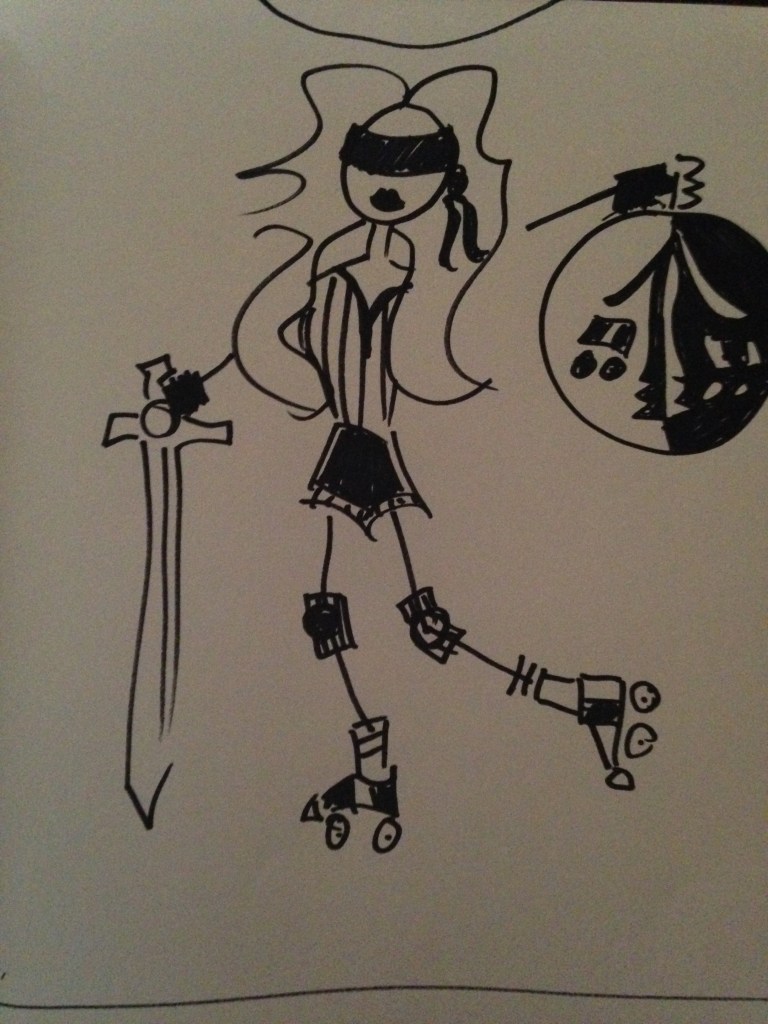
For example, we originally started working on a skating “Lady Justice” design in 2014 with a stick figure sketch. We approached a few artists about it, all within the derby community.
Some of these artists we’d worked with already, and some we had not. Several design attempts didn’t work out for a wide range of reasons, maybe the artist wasn’t inspired to work on the idea, maybe personal life interfered with their availability, maybe personal life interfered with MY communication.
Don’t take it personally, just keep looking for the right match.
We’ve known our friend Chynna for many years, and know she’s going to do amazing work if we can squeeze into her tight schedule. She’s created other limited-edition derby shirt designs for us in the past, and they are exceptional.
Clear Vision
Have a clear vision for what you want included in your design. Are there colors you want incorporated to represent the team, league, or event? Do you have a theme in mind? Communicate clearly and provide reference art for specific elements that you want included when possible. Most artists like a bit of creative freedom, but a framework to prevent wasted efforts. If you’re hoping for female presenting roller skaters wearing modern derby skates with a pin-up vibe, then say that. When you want diverse skaters wearing old school skates with an outer space theme, then say that. Whenever you can provide reference for your art, even if it’s a stick figure sketch, do so.
Communicating with the Artist
Do you want text along with your art? Talk to the artist about that up front, especially if you hope to have them create any lettering, logos, or typography. An easy guideline to follow for building a good relationship and good communication with your artist is: no surprises. Lay everything out clearly to keep your artist happy in the short term, and so they’re open to future collaborations.
Providing Reference Art
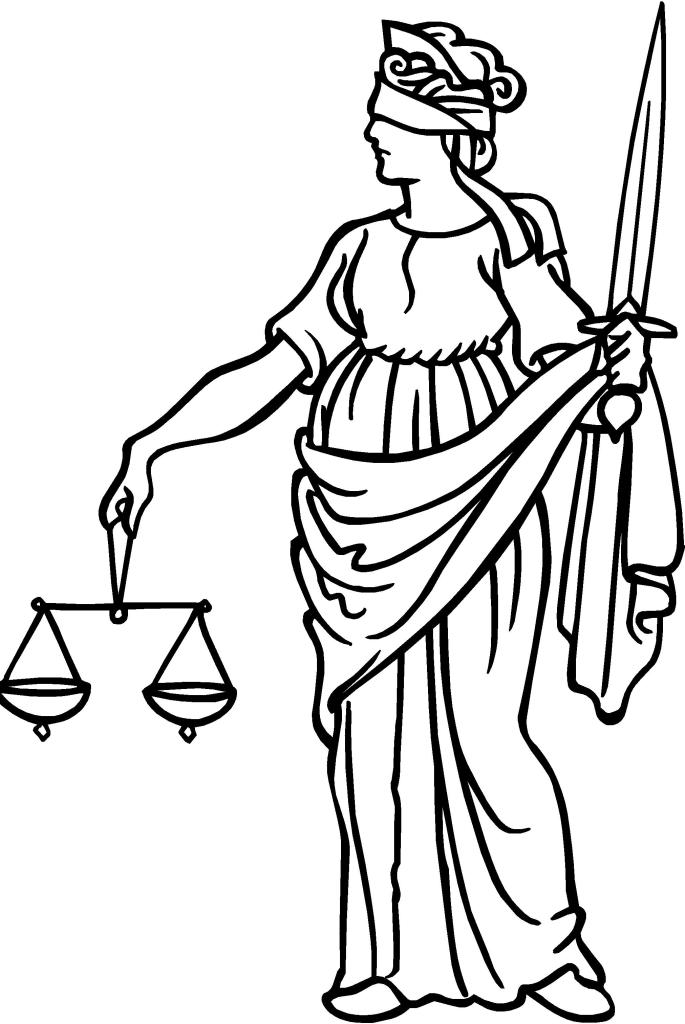
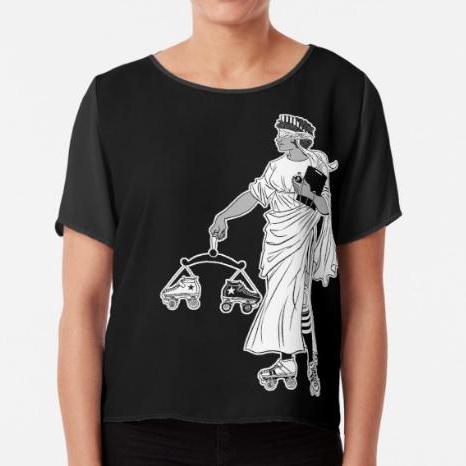
For the “Skating Lady Justice” project, we found some internet art to use as a reference to provide to our artist.
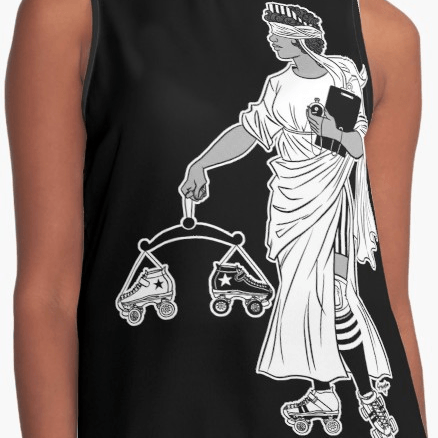
We asked that Justice was represented by a female presenting woman of color, and that she also present a sturdier body type over a willowy one.
To better tie into officiating, we also asked that Chynna replace Justice’s traditionally depicted sword with any one or combination of: clipboard, whistle, and stop watches.
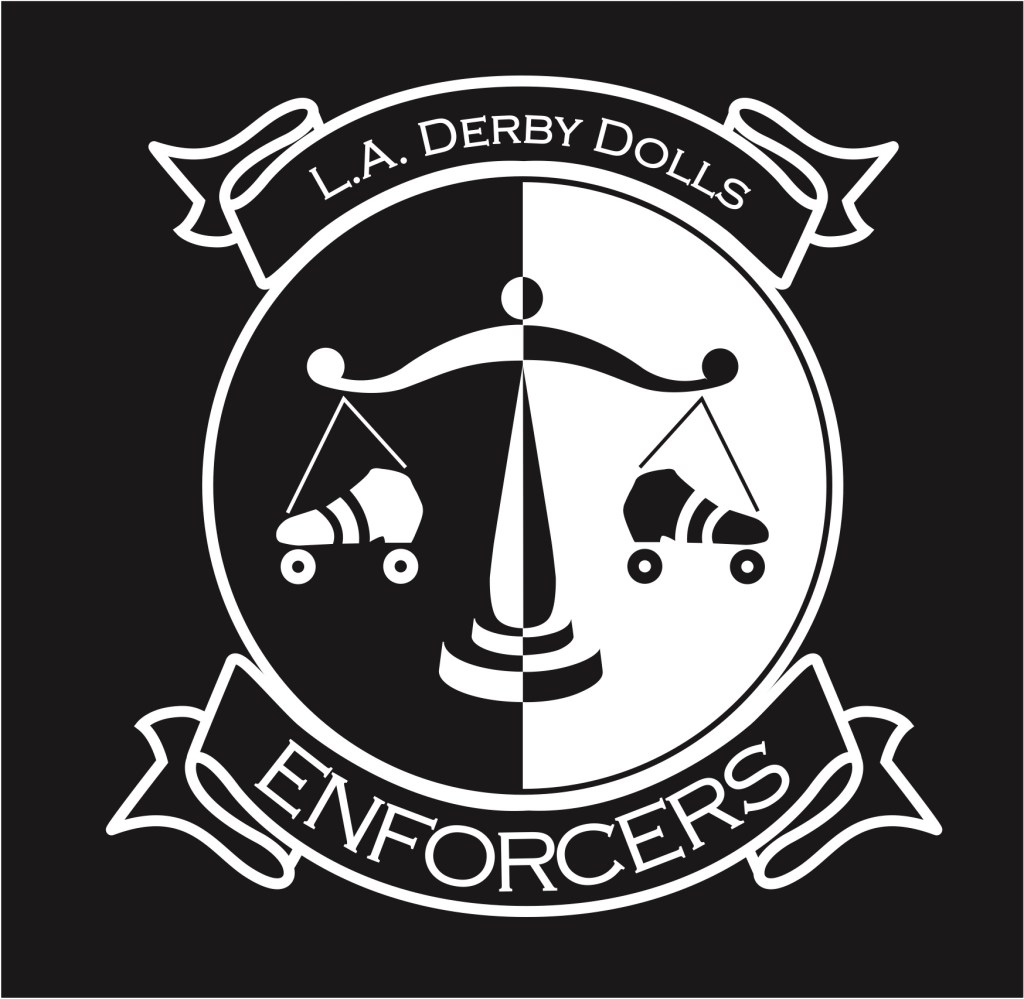
Our vision was for the scales of justice to resemble the L.A. Derby Dolls officiating crew’s logo that we also helped design: the Enforcers’ skates of justice. This logo is a pretty specific thing, so we also provided a reference file for that logo to Chynna.
While we were open to a direct usage of the art embedded in the design, we were also open to (and stated a preference for) an artist’s interpretation of the original logo design.
Finally, we asked for some subtle ref stripes in there as well but admitted that we didn’t have a strong idea of how that would work, and it wasn’t a deal breaker if that element didn’t make the final design.
Art Application & Usage
Licensing and Design Usage
Consider the final application and usage of the art. What usage are you licensing from the artist? Are you looking for a team logo? Do you want to print a limited-edition shirt? Are you expecting unlimited usage in perpetuity? Keep in mind, the price the artist charges may change based on the use.
Paying for a limited run t-shirt design does not give you the right to use it for future merchandise without further discussion with the artist. Maybe they’ll be cool with it. Perhaps they’ll have a small fee they charge for additional licensing. In some cases, an artist will ask for a percentage of profits instead of an upfront fee. In other cases they will decline your request outright. This is a case where asking permission instead of forgiveness will go a long way.
Background and Colors
Do you plan to print the design on a dark background? This might affect the art. Be open about what you’re looking for in your final product and discuss the ramifications with your artist. We’re almost always printing our designs on a dark or brightly colored shirts (rarely ever white). We want to make sure the design looks good against a dark background, and so we are very up front about this requirement with artists.
How many colors are you printing in your design? If you’re looking at a traditional screen print and are working with a screen printer, each color needs to be set up as a separate screen. Keep in mind there are likely set up charges per screen, and additional costs per printed color.
Electronic Art Files
Additionally, for screen printing, the artist will need to provide art files for each screen and they’ll need to know that you’ll need that at the beginning of the project, not at the end. We traditionally look for single color printing for the represented savings in the final product. We’re usually looking for white print on black shirts, with no shading, for a screen-printed shirt. For digital printing, we’ll be a bit more flexible.
Timelines & Revisions
Set realistic expectations for your timeline and revisions. You should be thinking about what you need months before you need it. If you rush an artist, you’ll get a rush job. You’ll limit time for edits or revisions, and you’ll potentially strain your relationship with that artist. Also consider your final application, and what kind of deadline you’ll need to manufacture the merchandise. How long will screen printing take? Is there shipping involved? What’s your distribution method? Back out of your deadlines when figuring out your schedule and pad it generously. The additional stress of last-minute deadlines helps no one.
Revisions and Notes
Do not expect unlimited revisions of the design work. We try to look for an early draft from the artist to ensure that we’re on the same page with the direction. Then, we’ll hope to offer two more rounds of notes. You heard me. Two. Rounds. That’s it. By the last round, the revision notes you’re providing should be very minor.
Remember that they are also likely cutting you a deal, and thusly need to keep stacking their own full priced art cash. Your project may take a lower priority than other full priced requests the artist is working with. This is reasonable, because artists need to eat too. Keep in communication with your artist about deadlines and ask them to help you set reasonable expectations. They understand their schedules and commitments, and you can work together to stay happy.
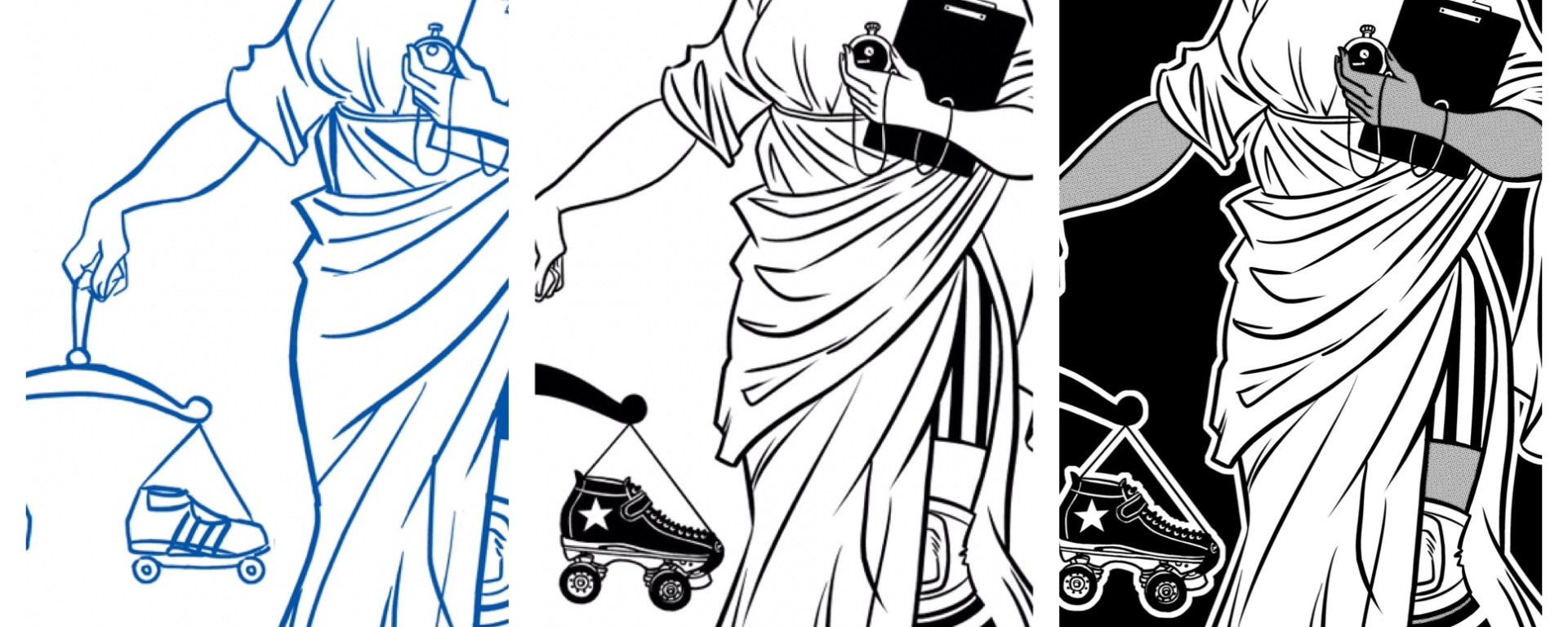
Chynna’s first sketch of the design was very close to what we’d always dreamed of for this project, and we were stoked to receive it.
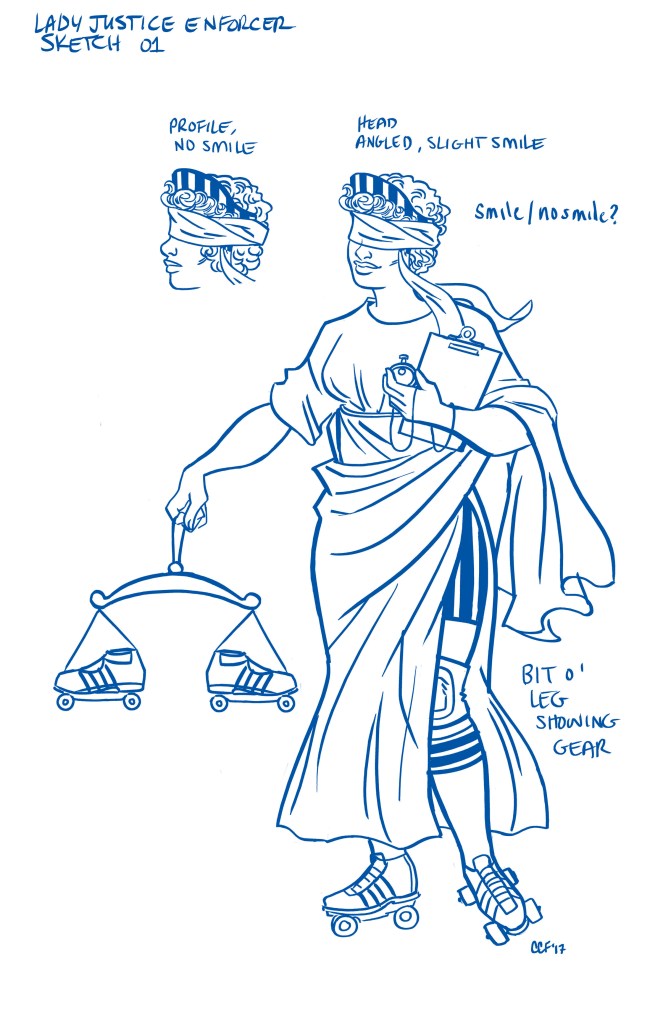
We gave a few Round 1 notes about our preferences and got a great first draft from the artist.
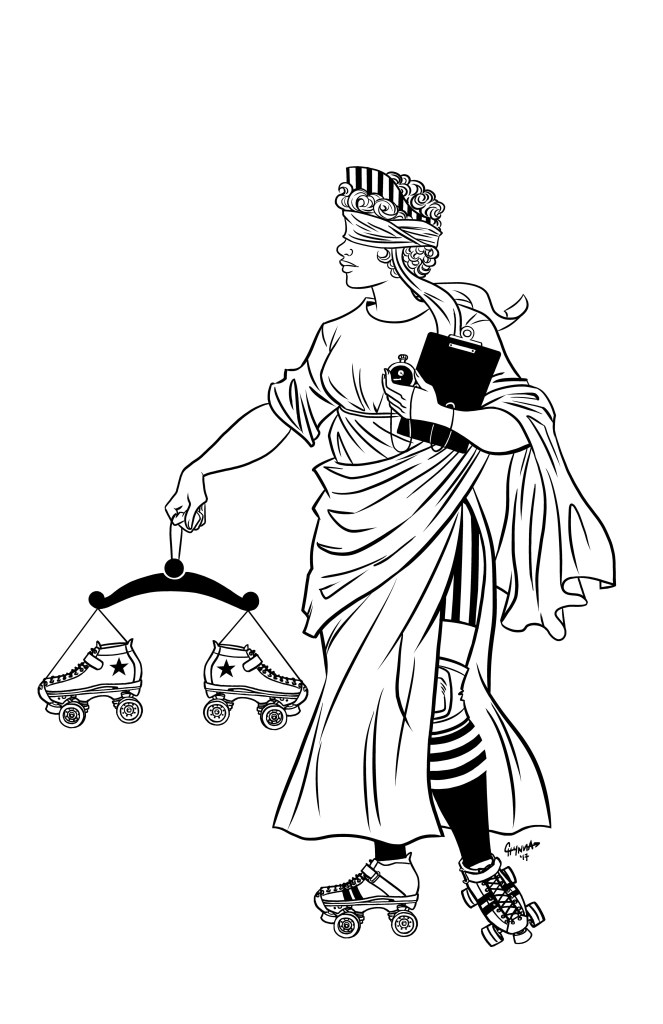
Next, we asked for some small modifications on the clipboard and an adjustment on the skates to better resemble the Enforcer logo for our Round 2 notes. The result was this second draft of the design.
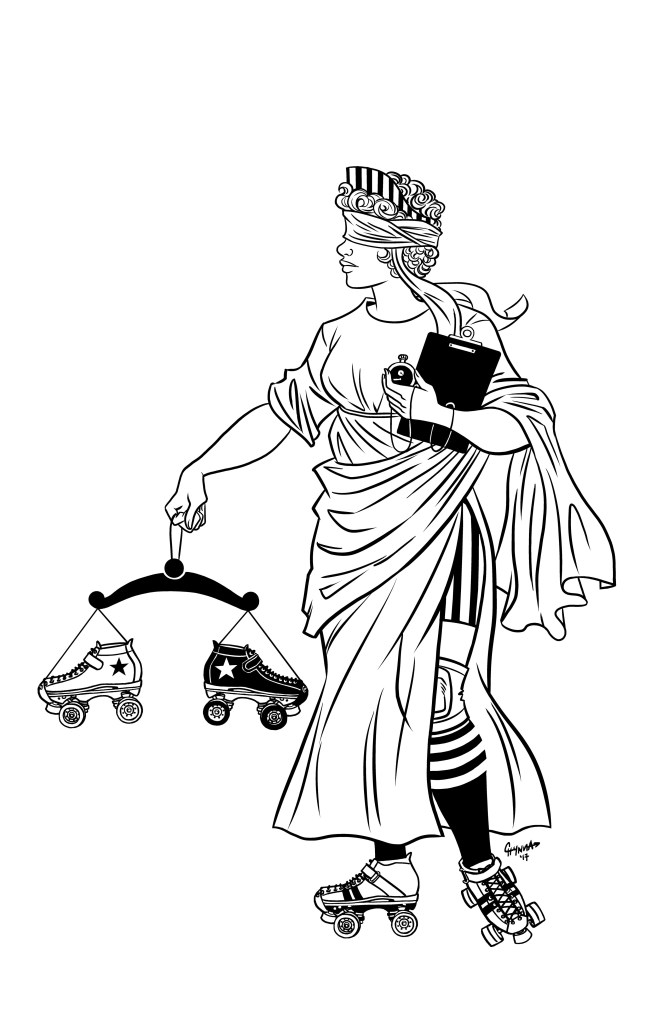
Still Need Changes?
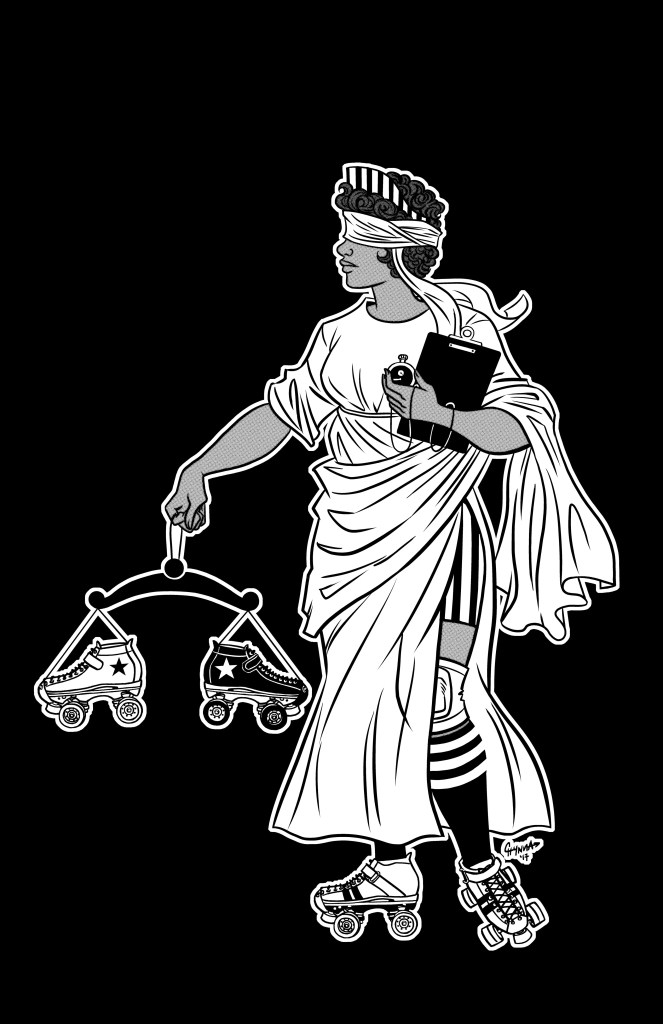
At this point we realized that a two-toned printing would best depict our vision and we’d have to approach Chynna to make another change. We know we said only two rounds of notes and that’s usually your best bet.
In cases where you feel you still need more changes, understand what you’re asking for and be reasonable about your expectations.
Understanding that what we wanted represented a significant revision request, we talked to Chynna about the additional notes and the timeline. Then, we worked together on a way to modify the art without overburdening her.
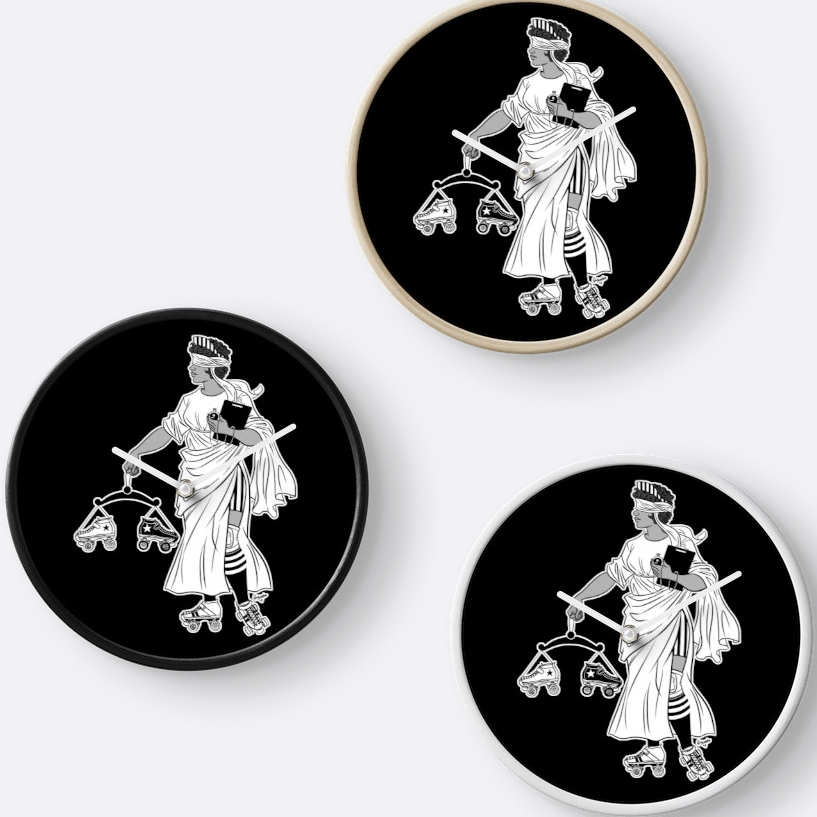
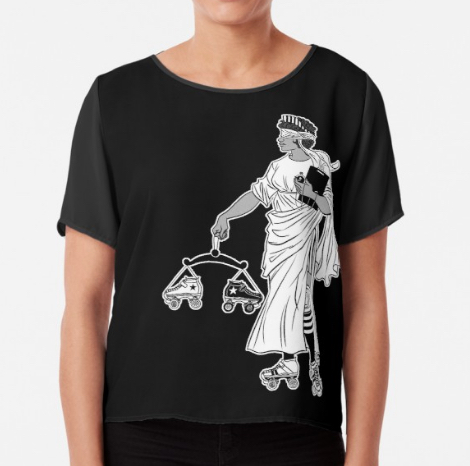
Chynna’s final design was absolutely perfect, and we’re stoked to have it available for purchase on digital platforms on shirts, clocks, pillows, and all sorts of other things HERE.
Commitments & Credit
Meet your commitments and credit credit credit. If you contracted to pay, make sure you do so promptly. If you agreed to give credit and promotion, do that.Even if you didn’t agree to do so, consider it. Online credit and promotion don’t cost you anything but time, and probably less time than the artist donated to your cause. Building a working partnership with an artist now ensures that your event, league, or team has access to consistent branding for future merchandise.
We asked Chynna how she wanted to be credited, and she got me a link. Every time we update the fundraising information, we’ll check in with Chynna to make sure we’re still using her preferred link. It costs us literal seconds to check in with her, and it’s always worth guaranteeing that the link still best represents the artist.
Pro Tip:
Support the L.A. Derby Dolls fundraising efforts to help keep their league rolling! Proceeds from the Lady Justice design will benefit the league.
Check out the Redbubble Lady Justice design store HERE
If merch isn’t your thing and you’d still like to support the Los Angeles Derby Dolls you can also donate directly via CrowdRise.
The Wrap Up
Thanks for checking out what we’ve learned across our derby merchandise adventures, and if you have suggestions or comments, we want to hear from you and you can always email us here.
If you’ve found this content to be useful or helpful, please consider sharing it with one of the buttons below. Thanks for stopping by and for the chance to serve you!
 Team Roll With It